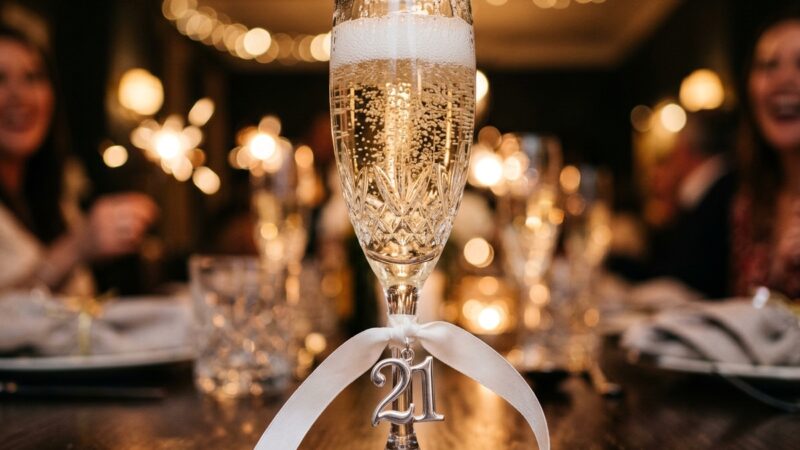
Here’s something that might sting a little — your champagne birthday only happens once in your entire life, and there’s a decent chance you already missed it without even knowing.
So what is a champagne birthday, exactly? It’s the one year when the age you’re turning matches the date you were born. Born on the 7th? Your champagne birthday is when you turn 7. Born on the 22nd? You’ll celebrate it at 22.
Simple concept, right? But most people only discover this idea after their champagne birthday has already passed. And that’s a real bummer because, when done right, it’s one of the most fun and meaningful birthday milestones you can celebrate.
Whether you’re planning yours, helping someone else celebrate theirs, or just curious about the champagne birthday meaning, this article breaks it all down — the history, how it compares to a golden birthday, creative celebration ideas, and what to do if yours already came and went.
What Exactly Is a Champagne Birthday?
A champagne birthday is the birthday when your age matches your birth date. That’s the whole idea. No complicated math, no astrology chart needed.
Quick examples:
- Born on March 5th → Champagne birthday is when you turn 5
- Born on August 14th → Champagne birthday is when you turn 14
- Born on December 30th → Champagne birthday is when you turn 30
The concept works for any date from the 1st through the 31st. If you were born on the 1st, your champagne birthday happened when you turned 1 (yeah, you definitely don’t remember that one). If you were born on the 31st, you won’t hit yours until you’re 31.
That’s actually one of the quirks that makes this celebration interesting. Some people get theirs in childhood. Others don’t get theirs until their 20s or even early 30s. The later your birth date, the more you can actually appreciate and plan the celebration.
Did You Know? People born on the 29th, 30th, or 31st of a month often throw the biggest champagne birthday parties because they’re old enough to really go all out.
The Champagne Birthday Meaning — Where Did This Idea Come From?
Here’s where things get a little hazy. Nobody can point to one exact origin story for the champagne birthday concept. There’s no ancient tradition behind it, no historical figure who started it. It’s a relatively modern celebration idea that grew mostly through word of mouth, greeting card culture, and — more recently — social media.
Some sources trace the term back to the mid-20th century in the United States and Canada, where it started appearing in birthday card messages and party planning circles during the 1950s and 60s.
The name “champagne” birthday doesn’t actually have anything to do with drinking champagne (though plenty of people do crack open a bottle if they’re of legal age). The word “champagne” here is used the way we use it in everyday language — to mean something rare, special, and worth celebrating. Just like champagne is saved for life’s big moments, your champagne birthday is considered one of those once-in-a-lifetime occasions.
Over time, the idea picked up steam. Party supply companies started marketing “champagne birthday” kits. Pinterest boards exploded with theme ideas. And TikTok? It turned the champagne birthday into a full-blown trend, with people documenting elaborate celebrations that rack up millions of views. If you’ve been following viral birthday trends on TikTok, you’ve probably seen champagne birthday content pop up on your feed.
The champagne birthday meaning is really about recognizing a numerical coincidence and turning it into an excuse for an extra-special celebration. And honestly? We could all use more of those.
Champagne Birthday vs Golden Birthday — Are They the Same Thing?
This is probably the most common confusion people have. And the short answer is: yes, they’re basically the same thing.
The terms “champagne birthday” and “golden birthday” describe the exact same concept — the birthday when your age matches your birth date. The only real difference is regional naming.
Here’s how the naming tends to break down:
| Term | Where It’s Most Common |
|---|---|
| Golden Birthday | Midwestern United States |
| Champagne Birthday | Canada, parts of the U.S., and online |
| Star Birthday | Some European countries |
| Lucky Birthday | Less common, but used in various places |
The Golden Birthday Origin Story
The “golden birthday” name has a slightly clearer history. It’s often credited to Joan Bramsch, a woman from the American Midwest who reportedly came up with the idea around 1955. As the story goes, she was planning a birthday party for one of her children and noticed the age-date match. She called it a “golden birthday” and decorated everything in gold. The tradition spread through her community and eventually grew beyond the Midwest.
If you want to dig deeper into this, there’s a great read on why golden birthdays became popular that covers the full history.
So Which Term Should You Use?
Honestly? Whichever one you like better. If you’re in Canada or if you’re someone who thinks “champagne” sounds fancier than “golden,” go with champagne birthday. If you grew up hearing “golden birthday” in Minnesota or Iowa, stick with that.
The champagne birthday vs golden birthday debate doesn’t have a winner. They’re two names for the same special day. Pick the one that makes your party invitation sound cooler.
When Is YOUR Champagne Birthday?
Figuring this out takes about three seconds. Look at your birth date (just the day, not the month or year). That number is the age when your champagne birthday happens.
Born on the 1st → Age 1 (sorry, you missed it)
Born on the 10th → Age 10
Born on the 15th → Age 15
Born on the 21st → Age 21
Born on the 25th → Age 25
Born on the 31st → Age 31
The Early Birds (1st–12th)
If you were born on the 1st through the 12th, your champagne birthday happened in childhood. You were probably too young to even know about the concept. A lot of people in this group feel like they “missed out,” which — fair enough. But don’t worry, we’ll talk about how to make up for it later.
The Sweet Spot (13th–21st)
People born on these dates hit their champagne birthday during their teenage or young adult years. This is where things get interesting. You’re old enough to appreciate it, and for those born on the 18th or 21st, it lines up with other major birthday milestones like turning 18 or 21. Double the celebration? Yes, please.
The Late Bloomers (22nd–31st)
These folks are the lucky ones in some ways. They hit their champagne birthday as full-grown adults. They can plan elaborate parties, buy their own champagne (literally), and really make it count. Born on the 30th? You’re celebrating your champagne birthday at 30 — an age that already carries a lot of emotional weight for people. Some people find birthdays triggering deep reflection about life, and hitting a champagne birthday during these years makes that reflection feel even more meaningful.
What If You Already Missed Your Champagne Birthday?
Real talk — most people miss it. If you were born on the 3rd, your champagne birthday happened when you turned 3. You were eating crayons. Nobody told you it was a special birthday. And that’s okay.
Here’s the good news: there are no champagne birthday police. You can absolutely celebrate it retroactively or create your own version. Here are a few ideas people actually use:
1. The “Reverse” Champagne Birthday
Some people celebrate on the reverse of their birth date. Born on the 12th? Celebrate at 21. Born on the 14th? Throw a party at 41. It’s not an “official” thing, but who cares? It’s your birthday.
2. The “Double” Champagne Birthday
This one is fun. Take your birth date and double it. Born on the 8th? Your double champagne birthday is at 16. Born on the 15th? Celebrate at 30. Again — completely made up, but completely valid if it gives you a reason to party.
3. Just Celebrate Now
Seriously. If the concept excites you and you want to throw a champagne-themed party this year, do it. Call it your “belated champagne birthday” and pop some bubbly. The whole point is to celebrate. The rules are loose. Birthday traditions evolve all the time, and this one is flexible enough for you to make it your own.
How to Celebrate a Champagne Birthday (10 Creative Ideas)
So your champagne birthday is coming up — or you’re planning one for someone you love. Here’s how to make it genuinely memorable without going broke.
🥂 Theme It Up
Go all-in on a champagne or gold theme. Gold balloons, champagne-colored tablecloths, glitter everything. If the birthday person is under 21, sparkling cider and gold decorations work just as well. The aesthetic is what matters.
🎂 The Matching Number Cake
Get a cake with the matching number front and center. Turning 17 on the 17th? A big “17” cake topper drives the concept home. Pair it with the right number of candles, and you’ve got a perfect photo moment. Speaking of candles — there’s actually a fascinating history behind birthday candles that most people don’t know.
🎁 Gift Ideas That Match the Number
Ask guests to give gifts related to the champagne birthday number. Turning 22? Gift cards in multiples of $22, 22 small presents, or a list of 22 reasons why the birthday person is awesome. It’s thoughtful, creative, and keeps the theme consistent.
📸 A Photo Timeline
Create a photo display showing one picture from every year of their life up to the champagne birthday age. Turning 25? That’s 25 photos. It’s a nostalgic, heartwarming touch that always gets emotional reactions. Birthday photos hold a special place in people’s hearts for exactly this reason.
🎉 Surprise Element
Champagne birthdays deserve a surprise. Whether it’s a surprise party, a surprise guest, or a surprise trip announcement — add one unexpected element. It makes the day unforgettable.
✍️ A Letter or Time Capsule
Write a letter to your future self on your champagne birthday. Seal it, and open it on your next “milestone” birthday (like 30, 40, or 50). Some people create a whole time capsule with items from that year — ticket stubs, playlists, a newspaper clipping.
🍽️ Champagne-Themed Menu
Build a whole menu around the theme. Champagne cocktails (or mocktails), champagne-infused cupcakes, even savory dishes cooked with sparkling wine. Pinterest has hundreds of recipes. You don’t need to be a professional chef to pull this off.
🌍 Travel to Match the Number
Turning 26 on the 26th? Take a trip that’s 26 miles from home. Or fly to a destination that holds meaning for the number. Some people visit the 15th country on their travel wishlist for their 15th birthday. Get creative with it.
🎵 Create a Playlist
Put together a playlist with the same number of songs as the champagne birthday age. Every song should mean something — childhood favorites, current hits, songs tied to memories. Play it at the party or gift it as a Spotify playlist.
💌 Social Media Announcement
Let’s be real — if it’s not on social media, did it even happen? Create a fun post or reel explaining your champagne birthday to friends who’ve never heard of it. Sharing birthday posts on social media has become its own kind of tradition, and a champagne birthday is the perfect content.
Common Myths and Misconceptions About Champagne Birthdays
Like any fun tradition, misinformation floats around. Let’s clear up a few things.
❌ Myth: “Champagne birthdays are an ancient tradition”
Nope. This is a modern concept, probably dating back to the 1950s at the earliest. There’s no ancient Greek, Roman, or medieval tradition linked to it. It’s a sweet, fun, made-up celebration — and that’s perfectly fine. Many beloved birthday traditions have surprisingly recent origins.
❌ Myth: “You HAVE to drink champagne”
Not at all. The name is metaphorical. Kids have champagne birthdays too. Sparkling cider, fancy lemonade, or literally any drink works. The celebration isn’t about alcohol.
❌ Myth: “If you missed it, it’s gone forever”
As I covered earlier, you can absolutely create your own version. Reverse champagne birthday, double champagne birthday, or just a champagne-themed party whenever you want. There are no strict rules.
❌ Myth: “Champagne birthday and golden birthday are different things”
They’re not. Same concept, different names. The champagne birthday vs golden birthday debate is purely a naming preference. Don’t let anyone tell you otherwise.
❌ Myth: “Some dates don’t have champagne birthdays”
Every date from the 1st to the 31st has a champagne birthday. Even people born on February 29th have one — they just wait until they turn 29. And if you’re curious about leap year babies and their unique birthday quirks, that’s a whole different rabbit hole worth exploring.
Why Do People Care So Much About Champagne Birthdays?
You might wonder — why does this matter? It’s just a number matching another number. What’s the big deal?
The answer is rooted in how our brains work. Humans are pattern-seeking creatures. We naturally find meaning in numerical coincidences, dates that line up, and rare occurrences. Your champagne birthday feels special because it’s a one-time alignment that can never happen again.
There’s also the scarcity factor. You get dozens of birthdays in a lifetime, but only one champagne birthday. That scarcity creates perceived value. It’s the same reason certain birthday milestones matter more than others — they feel rare and irreplaceable.
The psychology behind this connects to something deeper. Birthdays are already emotionally loaded days. They remind us of time passing, of growth, of the people around us. A champagne birthday adds an extra layer of significance to an already significant day. It gives us a narrative — “this isn’t just any birthday, this is THE birthday.”
And honestly? In a world where adulting can feel monotonous, any excuse to make a regular Tuesday feel extraordinary is worth grabbing. The psychology behind birthday happiness shows us that these celebrations genuinely boost mental well-being.
Champagne Birthday Ideas by Age Group
Not every champagne birthday celebration should look the same. A 5-year-old’s party is going to be wildly different from a 27-year-old’s celebration. Here’s a quick breakdown:
Ages 1–5: Keep It Sweet
The birthday child won’t remember this, but the parents will. Go with a cute photoshoot, a smash cake, and gold/champagne-colored decorations for the Instagram-worthy moment.
Ages 6–12: Make It Fun
Themed parties work great here. Think gold treasure hunts, “golden ticket” Willy Wonka themes, or a special outing. Make the child feel like the day is extra special — even if they don’t fully grasp the champagne birthday concept yet.
Ages 13–17: Teenage Energy
Teens appreciate experiences. Concert tickets, amusement park trips, or a sleepover with a gold/glam theme hit the right notes. Let them share it on social media — Gen Z has completely reshaped birthday trends and they’ll know exactly how to make it go viral.
Ages 18–21: Milestone Territory
These are already big birthday years. If your champagne birthday falls here, you’re getting a double celebration. Go big — a fancy dinner, a weekend trip, a surprise party. For the 21st? A champagne toast is literally on theme.
Ages 22–31: Adult Celebration
These are the most intentional champagne birthday celebrations. You’re old enough to plan it yourself, fund it yourself, and appreciate every moment. Wine tasting, a destination party, a meaningful gathering with close friends — the options are endless.
FAQ Section
What is a champagne birthday?
A champagne birthday is the birthday when the age you’re turning matches the day of the month you were born. For example, if you were born on October 16th, your champagne birthday happens when you turn 16. It only happens once in your lifetime, which is why many people treat it as an extra-special celebration.
Is a champagne birthday the same as a golden birthday?
Yes. A champagne birthday and a golden birthday refer to the exact same concept. The term “golden birthday” is more popular in the Midwestern United States, while “champagne birthday” is commonly used in Canada and other regions. Some people also call it a “star birthday” or “lucky birthday,” but the meaning is identical.
What if my champagne birthday already passed?
Don’t stress about it. Many people miss their champagne birthday, especially if they were born on early dates (like the 1st through 12th). You can celebrate a “reverse” champagne birthday (flip your birth date digits), a “double” champagne birthday (double your birth date), or simply throw a champagne-themed party any year you want. There are no hard rules.
Do you have to drink champagne on a champagne birthday?
Absolutely not. The word “champagne” is used symbolically to represent something rare and special. Children, teenagers, non-drinkers — everyone has a champagne birthday. Sparkling cider, fancy mocktails, or any celebratory drink works perfectly.
What is the best way to celebrate a champagne birthday?
The best celebration depends on your age and personality. Popular ideas include theming the party in gold or champagne colors, creating a photo timeline of your life, giving gifts related to the matching number, writing a letter to your future self, or planning a trip. The key is to acknowledge the rarity of the day and make it feel distinct from your other birthdays.
Your Champagne Birthday, Your Rules
Look — at the end of it all, a champagne birthday is what you make of it. It’s not a religious holiday. It’s not a legal milestone. It’s a fun, once-in-a-lifetime numerical coincidence that gives you permission to celebrate a little harder than usual.
If yours is coming up, start planning now. Tell your friends and family about it so they understand why this one matters more. Build the anticipation. Pick a theme. Create a tradition your family can carry forward.
And if yours already passed? You didn’t miss anything you can’t recreate. Throw the party anyway. Buy the gold balloons. Pop the sparkling cider or the real champagne. Because the best birthday celebrations aren’t really about numbers lining up — they’re about giving yourself a reason to feel special.
So, when’s your champagne birthday? Do the math. And if it’s still ahead of you, you now have zero excuse not to make it count. 🥂
Related Articles
Twins’ Birthday Wishes: Double the Fun & Greetings
Celebrating two people at once is a special kind of joy. Whether you’re writing in a...

Thank You Messages: 100+ Replies for Birthday Wishes
Someone took a moment out of their day to think of you, type out a message,...
Best Friend Birthday Wishes: Top Heartfelt Messages
A good friend’s birthday deserves more than a rushed text or a recycled message you’ve sent...