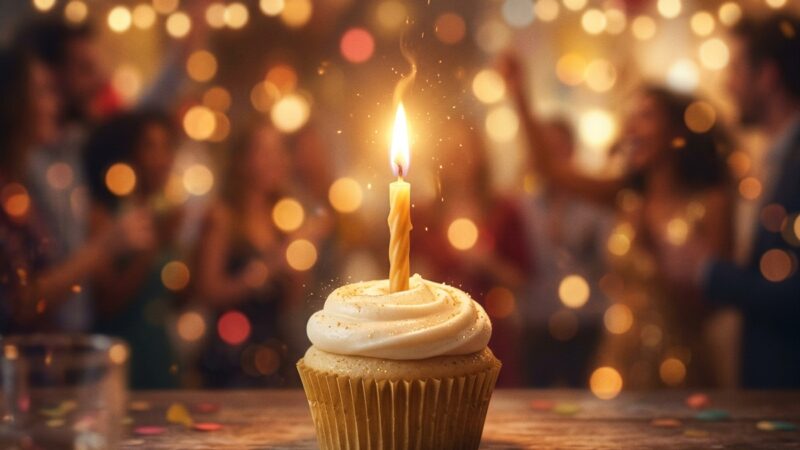
A baby born today will have roughly 4,000 weeks to live. That’s it. Out of those thousands of weeks, only about 80–90 will carry that one specific date — your birthday. And yet, that single day holds more emotional weight for most people than almost any other date on the calendar.
Think about it. You probably don’t remember what you had for dinner last Tuesday. But your 10th birthday? That surprise cake your mom made? The gift your best friend wrapped in newspaper because they ran out of wrapping paper? Crystal clear.
Why do people love their birthdays so much? It’s not just about presents or parties. There’s a deep mix of psychology, tradition, identity, and pure human need for connection that makes this one day feel like magic. And honestly, once you understand why birthdays hit so hard emotionally, you’ll appreciate yours a whole lot more.
Let’s break it down — the real, honest reasons people love their birthday.
It’s the One Day That’s Truly “Yours”
Christmas? Everyone celebrates it. New Year’s? The whole world parties together. Valentine’s Day? You share it with your partner.
But your birthday? That’s your day. Nobody else’s spotlight to steal.
This sense of personal ownership is powerful. Psychologists call it the “birthday-as-identity-marker” effect. Your birthday isn’t just a date — it’s tied to who you are. It’s on your ID card, your passport, your social media profile. It literally defines part of your legal identity.
You Feel Seen and Acknowledged
On a regular day, you’re a coworker, a parent, a friend, a neighbor. You blend in. But on your birthday, people pause and say, “Hey, today is about YOU.”
That acknowledgment hits different. It’s a form of social validation that reminds you — you matter. People remembered. People cared enough to send a text, make a call, or show up with a gift.
Even a simple “Happy Birthday” message from someone you haven’t talked to in years can make you smile. It proves you exist in someone’s memory, and that feeling is deeply satisfying.
Did You Know? Research from the Journal of Personality and Social Psychology found that people rate their overall life satisfaction higher on or near their birthday. The so-called “birthday effect” temporarily boosts your mood — just because the day exists.
The Psychology Behind Birthday Happiness
There’s actual science behind why birthdays are special. It’s not just cultural habit — your brain is wired to respond to birthday-related stimuli.
Dopamine and Anticipation
The excitement doesn’t start on the actual day. It starts days, sometimes weeks before. You start thinking about plans, gifts, who’ll wish you, what you’ll wear. That anticipation triggers dopamine — the brain’s “reward chemical.”
This is the same chemical that fires when you’re about to eat your favorite food or open a package you’ve been waiting for. Your brain treats your birthday like a guaranteed reward, and it starts celebrating early.
If you want to understand the deeper science, the psychology behind birthday happiness explains how your brain processes these emotions in detail.
The “Fresh Start” Effect
Researchers at the Wharton School of Business identified something called the “fresh start effect.” People are more likely to set goals, feel optimistic, and believe in change on dates that feel like new beginnings — and birthdays are the biggest personal “reset button” you have.
Your birthday feels like a personal New Year. Yesterday’s mistakes? Last year’s version of you. Today, you’re starting fresh. That mental reset is one of the strongest reasons people love their birthday.
Birthdays Connect You to People You Love
Here’s something you might not think about consciously — your birthday is one of the few days where love flows toward you without you asking for it.
Think about a normal day. If you want to feel loved, you might need to initiate plans, call someone, or make an effort. On your birthday? People come to you. They reach out. They plan for you.
Belonging and Social Bonding
Humans are social creatures. We crave belonging. Birthdays create a natural reason for your social circle to gather around you. Whether it’s a small family dinner or a big party with friends, the act of people showing up for you satisfies a deep psychological need.
A quick real-life example: Think about a kid’s face at a birthday party. That pure joy isn’t just about the cake or the toys. It’s about seeing a room full of people who came just for them. Adults feel the same thing — we’re just better at hiding it.
And this connection isn’t limited to in-person gatherings anymore. Birthday posts on social media have become a modern ritual. That wall full of wishes? It’s today’s version of a room full of guests singing “Happy Birthday.”
Relationships Get Reinforced
Birthdays also test relationships — gently. You quietly notice who remembered and who didn’t. Who made an effort and who sent a copy-paste text. It’s an unspoken scorecard for how valued you are in your social network.
This sounds a bit transactional, but it’s human nature. Birthdays reinforce bonds. When someone remembers your day without a Facebook reminder, it signals that you hold a real place in their life.
Traditions and Rituals Make It Feel Sacred
Cake. Candles. Wishes. Songs. Gifts. These aren’t random — they’re rituals passed down through generations, and rituals give meaning to moments.
Why Rituals Matter So Much
Behavioral scientists have found that rituals increase the perceived value of an experience. A piece of chocolate tastes better if you unwrap it slowly and deliberately. A birthday feels more special because of the traditions wrapped around it.
Blowing out candles and making a wish, for instance, sounds silly on paper. But the act creates a moment of personal reflection — a private second where you think about what you truly want. That’s powerful.
The history behind these traditions is fascinating too. The origin of birthday cakes and candles traces back to ancient Greece, where cakes were offered to Artemis, the moon goddess. The candles represented moonlight. You’re performing a ritual that’s thousands of years old — no wonder it feels meaningful.
Cultural Variations Add Depth
Not everyone celebrates birthdays the same way. In Mexico, the quinceañera marks a girl’s 15th birthday as a transition to womanhood. In Japan, the 7th, 5th, and 3rd birthdays (Shichi-Go-San) carry special significance. In many South Asian cultures, feeding others on your birthday (rather than receiving) is the norm.
These birthday traditions around the world show that regardless of how people celebrate, the core idea is universal: this day matters because YOU matter.
Birthdays Are Milestones That Measure Your Life
Your birthday is a built-in checkpoint. It forces you to stop and look at where you are.
Reflection and Growth
People naturally reflect on their birthdays. Where was I last year? What did I accomplish? What do I still want? This self-reflection isn’t depressing — for most people, it’s motivating.
A 2019 study in the Proceedings of the National Academy of Sciences found that people are more likely to make significant life decisions near “milestone” ages — running a first marathon at 29, starting a business at 39, making a career change at 49. These aren’t coincidences. Birthdays push people to evaluate their lives.
Some birthday milestones carry more weight than others. Turning 18, 21, 30, 40, 50 — each one comes with its own emotional baggage and excitement. These aren’t just numbers. They represent societal markers of adulthood, freedom, and maturity.
The Bittersweet Beauty of Aging
Yes, some people dread getting older. Birthdays can feel faster as you age — that’s a real psychological phenomenon. But even that bittersweet quality adds to why birthdays are special. They remind you that time is limited, which makes the celebration feel more urgent and more precious.
There’s a reason people cry on their birthdays — happy tears, nostalgic tears, reflective tears. It’s all part of the package. Why people feel emotional on their birthday is a topic worth exploring if you’ve ever found yourself teary-eyed while blowing out candles.
The Gift Factor — Giving and Receiving
Let’s be honest. Gifts are fun. And your birthday is one of the few socially acceptable times to receive them without guilt.
It’s Not Materialism — It’s Thoughtfulness
When someone gives you a well-chosen gift, the dollar value isn’t what hits you. It’s the fact that they thought about you. They spent time choosing something they hoped would make you happy. That effort is a love language.
Pro Tip: The gifts that stick in your memory are rarely the expensive ones. They’re the personal ones. A handwritten letter. A playlist of songs that remind them of you. A framed photo from a random Tuesday you spent together. Why personalized birthday gifts feel special comes down to one thing — someone invested emotional effort, not just money.
The Joy of Giving Back
Interestingly, many people also love their birthday because it gives them a chance to give back. Hosting a dinner for friends, treating coworkers to coffee, donating to charity in lieu of gifts — these acts of generosity on your own special day create a unique kind of happiness that psychologists call the “helper’s high.”
Social Media Changed the Birthday Game
Birthdays in 2025 look nothing like birthdays in 1995. Social media added a whole new layer.
The Digital Birthday Experience
Facebook notifications. Instagram stories. WhatsApp status updates. TikTok birthday videos. Your birthday becomes a mini-event across platforms. You get to see your face in other people’s stories, read public declarations of love, and feel like a local celebrity for 24 hours.
How social media changed birthday culture is a real phenomenon. Birthdays have become more public, more performative, and — for better or worse — more measurable. You can literally count how many people wished you.
The Dark Side (Briefly)
There’s a flip side. Some people feel anxious about their birthday because of social media pressure. What if not enough people wish them? What if their party doesn’t look “Instagram-worthy”? This anxiety is real, and it’s one reason why some people hate celebrating birthdays.
But for the majority, social media amplifies the joy. It takes the warm feeling of being remembered and multiplies it across your entire network.
Nostalgia Plays a Huge Role
Your birthday is a time machine. It doesn’t just celebrate today — it reconnects you with every version of yourself.
Birthday Memories Are Sticky
There’s a reason you remember birthday moments more vividly than random days. Emotional events create stronger memory traces in the brain. The hippocampus (your brain’s memory center) encodes emotionally charged experiences more deeply.
So when you smell a certain type of cake, hear “Happy Birthday” sung off-key, or see balloons in a specific color — your brain instantly pulls up birthday memories from years ago. The science behind birthday memories explains this beautifully.
Childhood Magic Never Fully Fades
Even as adults, birthdays carry echoes of childhood excitement. Remember waking up on your birthday as a kid? That electric feeling of “today is MY day”? Adults still feel a faint version of that. It’s dimmer, sure, but it’s there.
Why kids get more excited for birthdays than adults has to do with novelty and brain development. Kids experience everything with more intensity because their brains are still forming reference points. But the emotional blueprint stays with you forever.
Common Myths About Loving Birthdays
Let’s clear up some misconceptions.
Myth 1: “Only Attention-Seekers Love Their Birthday”
Wrong. Wanting to feel valued on a day that marks your existence isn’t attention-seeking. It’s a basic human need. Introverts love their birthdays too — they just prefer birthday celebration ideas that suit their personality, like a quiet dinner or a solo trip.
Myth 2: “Adults Shouldn’t Care About Birthdays”
Who made this rule? There’s no expiration date on joy. Celebrating your birthday at 55 is just as valid as celebrating at 5. The form changes — maybe it’s a wine dinner instead of a bounce house — but the core need for recognition and reflection stays the same.
Myth 3: “Birthdays Are Just a Commercial Gimmick”
Yes, the greeting card industry and party supply companies make billions from birthdays. But birthday celebrations predate modern commerce by thousands of years. Ancient Egyptians celebrated pharaohs’ “birth into godhood.” Romans threw parties for friends and family members. The commercial layer is modern, but the emotional core is ancient.
FAQ Section
Q: Why do some people feel sad on their birthday instead of happy?
Birthday sadness — sometimes called “birthday blues” — is common. It happens when the gap between expectations and reality feels too wide. You expected more wishes, a bigger celebration, or to be further along in life by now. Why people reflect on life during birthdays often triggers this emotional mix. It doesn’t mean something’s wrong with you. It means you care deeply about your life and the people in it.
Q: Is it normal for adults to love their birthday as much as kids do?
Absolutely. The way you express it might change — you might not jump on the bed at 6 AM — but the underlying emotions of excitement, gratitude, and self-celebration are healthy at any age. Adults who enjoy their birthdays tend to score higher on well-being scales, according to positive psychology research.
Q: Why do birthdays feel more important to some people than others?
It depends on personality, upbringing, and culture. People raised in families where birthdays were a big deal tend to carry that value into adulthood. Extroverts may enjoy the social aspect more, while introverts may cherish the personal reflection. How different cultures celebrate birthdays also plays a major role — some traditions emphasize communal celebration, while others focus on quiet gratitude.
Q: Do birthdays actually affect your mental health?
They can — in both directions. Birthdays can boost mood through social connection and positive attention. But they can also trigger anxiety or depression if someone feels isolated or unfulfilled. Why birthdays matter in psychology is a well-studied topic. If birthday sadness feels overwhelming, talking to a mental health professional is always a good idea.
Your Birthday Is Your Story’s Chapter Marker
Here’s what it really comes down to. Your birthday isn’t just a date. It’s a chapter break in the story of your life. It’s the one day each year where the universe (and hopefully the people around you) says, “You being here matters.”
Why do people love their birthdays? Because birthdays combine everything humans crave — connection, recognition, reflection, joy, nostalgia, and hope. All in one day. Wrapped in cake and candlelight.
So the next time your birthday rolls around, don’t downplay it. Don’t say “it’s just another day.” It’s not. It’s YOUR day. Celebrate it however feels right — whether that’s a massive party, a quiet walk in the park, or just eating your favorite meal while watching your favorite movie.
You made it around the sun one more time. That’s always worth celebrating. 🎂
Related Articles
Twins’ Birthday Wishes: Double the Fun & Greetings
Celebrating two people at once is a special kind of joy. Whether you’re writing in a...
Thank You Messages: 100+ Replies for Birthday Wishes
Someone took a moment out of their day to think of you, type out a message,...
Best Friend Birthday Wishes: Top Heartfelt Messages
A good friend’s birthday deserves more than a rushed text or a recycled message you’ve sent...