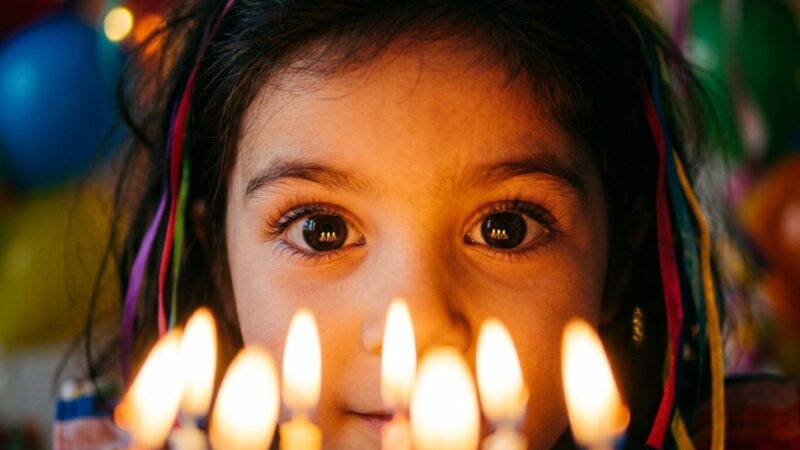
A five-year-old starts counting down to their birthday roughly 364 days before it actually arrives. They’ll remind you every single morning. “Only releasing 47 more sleeps, Mama!” Meanwhile, a 35-year-old adult genuinely forgets their own birthday until a Facebook notification pops up.
Funny, right? But also kind of sad.
Why kids love birthdays more than adults isn’t just a cute observation — it’s actually rooted in psychology, brain development, and how we experience time itself. Children birthday excitement is real, measurable, and backed by science. And the contrast between adults vs kids birthdays tells us something deep about how growing up changes our relationship with joy.
So let’s talk about what’s really going on here. Why does a birthday feel like the greatest event on Earth for a kid, but just “another day” for most adults? And honestly — can adults ever get that magic back?
The Psychology Behind Children Birthday Excitement
Kids Live in the Present — And That Makes Everything Bigger
Here’s something most people don’t realize. A child’s brain processes time completely differently than an adult’s brain does.
For a 5-year-old, one year represents 20% of their entire life. That’s massive. For a 40-year-old, one year is just 2.5% of their life. So when a child waits 12 months for their birthday, it genuinely feels like they’ve waited forever. The anticipation builds and builds until it almost explodes.
Psychologists call this the “proportional theory of time perception.” The younger you are, the longer each unit of time feels. That’s why summer vacations felt endless as a kid but now a whole year flies by before you even notice.
Did You Know? Research published in the European Journal of Psychology suggests that children experience anticipation-related dopamine surges up to 3x stronger than adults for the same type of event.
This also explains why birthdays feel faster as you age — it’s not just a feeling, it’s a neurological reality.
The “Magical Thinking” Factor
Children between ages 3 and 8 engage in what developmental psychologists call magical thinking. They genuinely believe that their birthday holds some kind of supernatural power. They think:
- They’ll literally become taller or stronger the moment the clock strikes midnight
- Their wishes when blowing candles will actually come true
- The entire world is celebrating them on that day
Jean Piaget, the legendary child psychologist, documented this extensively. Kids in the “preoperational stage” (ages 2-7) can’t fully separate fantasy from reality. So birthdays aren’t just parties — they’re magical events where anything seems possible.
Adults? We know blowing out candles won’t change our bank balance. And that knowledge, while practical, kills a little bit of the wonder.
You can read more about the meaning behind birthday candles and why that tradition carries so much emotional weight, especially for kids.
How Brain Chemistry Makes Kids Birthday-Obsessed
Dopamine Hits Different When You’re Young
Let’s get a little nerdy here.
Your brain’s reward system runs on dopamine — the “feel-good” neurotransmitter. Kids’ brains produce dopamine more freely and in larger quantities than adult brains. Their reward circuits are still developing, which means they respond to positive stimuli with much more intensity.
A birthday party for a child is basically a dopamine factory:
- Presents → surprise + reward
- Cake → sugar + celebration
- Attention → social validation
- Decorations → visual stimulation
- Friends → play + bonding
Each of these elements triggers a dopamine response. Stack them all together on one day? You’ve got a neurochemical explosion of happiness.
Adults still get dopamine from birthdays, but our reward circuits have matured. We’ve experienced thousands of positive events by now. Our brains are harder to “impress.” That’s why the psychology behind birthday happiness shifts so dramatically between childhood and adulthood.
Novelty vs. Routine
Here’s another brain-science angle. The human brain is wired to respond more strongly to novel experiences than to repeated ones. This is called habituation.
A 4-year-old has only experienced 3 or 4 birthdays they can actually remember. Each one still feels brand new. Every element — the candles, the singing, the wrapping paper — still carries that electric charge of novelty.
A 40-year-old has lived through roughly 35+ conscious birthdays. The brain literally starts filtering the experience as “something I’ve done before.” The excitement dims — not because birthdays are less meaningful, but because your brain has categorized them as “familiar.”
Pro Tip for Parents: Want to keep birthday magic alive for your kids? Add one completely new, unexpected element each year. A surprise guest, a different location, a weird theme they’d never expect. Novelty feeds excitement.
The Social Dynamics: Why Kids Feel Like the Center of the Universe
School Celebrations Amplify Everything
Think about what happens when a kid has a birthday in school. The teacher announces it. Classmates sing. Sometimes there’s a crown or a special chair. Everyone — literally everyone in the room — acknowledges that child.
For a kid, that kind of social recognition is enormous. Their entire social world (school, family, neighborhood) revolves around them for a full day. Adults rarely get that level of collective attention unless they’re getting married.
It’s interesting to explore how schools celebrate birthdays worldwide — some cultures make it even more elaborate, with teachers organizing mini ceremonies.
Peer Pressure (The Good Kind)
Children birthday excitement is also contagious among peer groups. When one kid talks about their upcoming party, other kids get excited too. There’s a chain reaction:
- “I’m having a dinosaur theme!”
- “My mom is making a unicorn cake!”
- “I invited 20 friends!”
This social buzz creates a feedback loop. The birthday kid feeds off their friends’ excitement, and the excitement keeps growing. Adults don’t typically have this dynamic. Nobody at your office is losing their mind because you’re turning 38.
The Gift Factor
Let’s be honest. Gifts hit differently when you’re a kid.
An adult receiving a gift card thinks, “Nice, I’ll use this eventually.” A child ripping open wrapping paper is experiencing pure, unfiltered suspense. What’s inside? Is it the toy I wanted? IS IT?
Children have shorter histories with material possessions. Each new toy feels like it expands their entire world. Adults already own most of what they need. The surprise factor just isn’t the same.
If you’re curious about how gift expectations change, check out most popular birthday gifts by age — the contrast between what kids and adults want is pretty telling.
Adults vs Kids Birthdays: What Changes as We Grow Up?
The Weight of Responsibility
Here’s a truth nobody talks about enough. For kids, birthdays are pure receiving. Someone else plans the party, buys the cake, invites the guests, wraps the presents. All the child has to do is show up and be happy.
For adults? Birthdays often come with a to-do list:
- Planning your own celebration
- Managing expectations (yours and others’)
- Spending money you might not have
- Coordinating schedules with busy friends
- Cleaning up afterward
The mental load transforms a birthday from a pure joy event into a logistics project. No wonder why some adults stop celebrating birthdays altogether — the effort starts outweighing the fun.
Existential Awareness Creeps In
Kids don’t count birthdays as “years gone by.” They count them as “levels unlocked.” Turning 6 means you’re BIGGER. Turning 10 means you’re in DOUBLE DIGITS. Every birthday is a promotion.
Adults? Especially after 30? Birthdays start triggering reflection. Where am I in life? Have I achieved enough? Am I where I should be?
This isn’t depression — it’s just adult cognition. We attach meaning, expectations, and self-evaluation to birthdays. A study from the University of Notre Dame found that adults experience increased self-reflection and sometimes mild anxiety around “milestone birthdays” (30, 40, 50).
That reflection can actually be healthy, and why people reflect on life during birthdays is worth understanding — but it definitely replaces the carefree excitement kids feel.
Social Media Changed the Game
There’s a modern twist to adults vs kids birthdays that didn’t exist 20 years ago.
For adults, birthdays now partly exist as social media performances. You post a photo. You wait for likes. You notice who didn’t wish you. The whole experience gets filtered through digital validation.
Kids (especially younger ones) don’t care about Instagram stories. They care about the balloon that’s shaped like a dog. They care about whether the cake has enough sprinkles. Their birthday exists entirely in the real, physical moment.
How social media changed birthday culture is a fascinating deep dive if you want to understand this shift better.
The Role of Memory and Nostalgia
Birthday Memories Stick Harder in Childhood
Neuroscience has a concept called the “reminiscence bump.” Your brain stores memories from ages 10-30 with more emotional vividness than any other period. Within that range, childhood birthday memories are often the most vivid because they combine multiple strong memory triggers:
- Emotional intensity (excitement, happiness)
- Sensory richness (taste of cake, smell of candles, sound of singing)
- Social connection (being surrounded by loved ones)
- Novelty (new experiences, surprises)
That’s why you probably remember your 7th birthday party more clearly than your 34th. Your brain literally coded that childhood experience with higher priority.
The science behind birthday memories explains this phenomenon in more detail, and it’s genuinely fascinating how our brains choose what to preserve.
Adults Chase the Feeling, Not the Event
Here’s something interesting. When adults do get excited about birthdays, they’re often chasing a nostalgic echo of how birthdays felt as kids. They’re not excited about turning 42 — they’re trying to recreate the magic of turning 7.
This is why some adults go all-out with themed parties, elaborate cakes, and big gatherings. They’re not being “immature.” They’re trying to reconnect with that pure, uncomplicated joy they remember from childhood.
Common Myths About Kids and Birthday Excitement
Myth #1: “Kids Only Care About Presents”
Not true. Research from the University of Virginia’s psychology department shows that children rank social experiences (friends at the party, family singing to them) higher than material gifts when asked about their favorite birthday moments. Presents matter, yes. But the attention and togetherness matter more.
Myth #2: “Adults Don’t Actually Care About Birthdays”
Also not true. A 2023 survey by the Greeting Card Association found that 78% of adults still want their birthday acknowledged in some way, even if they claim they “don’t care.” The desire for recognition doesn’t disappear — it just gets buried under a layer of “I’m too old for this.”
Why some people hate celebrating birthdays is often more nuanced than it seems. Many of these people don’t hate birthdays — they hate the vulnerability of wanting to feel special and being afraid nobody will make them feel that way.
Myth #3: “Birthday Excitement is Just About Immaturity”
This is the most harmful myth. Children birthday excitement isn’t immature — it’s actually a sign of healthy emotional development. A child who gets excited about their birthday is demonstrating:
- Healthy anticipation skills
- Social awareness (understanding that others will celebrate them)
- Emotional expression
- Capacity for joy
Adults who dismiss this excitement as “childish” are missing the point entirely.
Can Adults Get That Birthday Excitement Back?
Short answer: partially, yes. Here’s how:
Create Genuine Novelty
Remember the habituation problem? Fight it. Do something on your birthday that you’ve never done before. Not “dinner at the same restaurant.” Something genuinely new — skydiving, a cooking class, a solo trip to a place you’ve never visited.
Let Someone Else Plan
One of the biggest killers of adult birthday joy is self-planning. If possible, hand over the planning to a friend or partner. Give up control. Let yourself be surprised. The moment you stop managing the experience, you can start enjoying it.
Disconnect Digitally
Try celebrating your birthday without posting about it. No Instagram story. No “thank you for all the wishes” post. Just… be present. You’ll be shocked how different it feels when you’re not performing your happiness for an audience.
Borrow from Kid Culture
Seriously — get a themed cake. Wear a silly hat. Play games. Blow out candles and make a real wish. Best birthday traditions for families has some ideas that work just as well for adults who want to inject some childlike energy into their celebrations.
Practice Gratitude, Not Evaluation
Kids don’t use birthdays as performance reviews. They don’t think, “I’m 6 and I haven’t accomplished enough.” They think, “I’M SIX AND THAT’S AWESOME.” Try adopting that mindset. Your birthday isn’t a deadline — it’s a celebration of the fact that you’re here, alive, breathing.
Quick Facts: Kids vs. Adults Birthday Psychology
| Factor | Kids | Adults |
|---|---|---|
| Time Perception | Birthday feels far away, anticipation builds enormously | Birthday arrives quickly, sometimes feels sudden |
| Dopamine Response | High, intense, easily triggered | Moderate, requires more stimulation |
| Social Recognition | Entire world (school, home) celebrates them | Often must initiate own celebration |
| Gift Excitement | Every gift feels life-changing | Most gifts feel practical |
| Self-Reflection | None — pure joy | High — often triggers life evaluation |
| Novelty Level | Each birthday feels brand new | Birthdays feel repetitive |
| Emotional Complexity | Simple happiness | Mixed emotions (joy + anxiety + nostalgia) |
FAQ Section
Why do kids start talking about their birthday months in advance?
Kids experience time differently than adults. Because their life span is short, waiting even a few weeks feels like an eternity to them. Their brains also produce stronger anticipation-related dopamine, making the “looking forward to it” phase intensely pleasurable. Talking about it constantly is their way of processing and amplifying that excitement. It’s not impatience — it’s their brain chemistry doing exactly what it’s designed to do.
At what age do people stop getting excited about birthdays?
There’s no exact age, but research and surveys suggest a noticeable shift happens between ages 13-16, when self-consciousness increases and social dynamics change. Another significant drop occurs around age 25-30, when birthdays start triggering more reflection than celebration. That said, this varies hugely based on personality, culture, and life circumstances. Some 70-year-olds still throw massive birthday parties — and that’s perfectly normal.
How can parents keep birthday excitement alive for their children?
Focus on experiences over expenses. Kids don’t remember how much the party cost — they remember how it felt. Add surprise elements each year, involve their friends in meaningful ways, create traditions unique to your family, and most critically, give them your full, undivided attention on that day. The gift of presence beats the presence of gifts every time.
Is it normal for adults to feel sad on their birthday?
Absolutely. Psychologists have a term for it: “birthday blues.” It’s a real phenomenon where adults experience mild sadness, anxiety, or disappointment around their birthday. It can stem from unmet expectations, loneliness, fear of aging, or the gap between where they are in life and where they thought they’d be. If you experience this, you’re not alone — and it doesn’t mean something is wrong with you.
Do birthday traditions affect how excited kids get?
Yes, significantly. Families with consistent, meaningful birthday traditions tend to raise kids who associate birthdays with security, love, and joy — which amplifies excitement. The tradition itself becomes something to look forward to, separate from gifts or parties. Whether it’s a special breakfast, a birthday letter, or a yearly adventure, rituals create emotional anchors that boost anticipation.
So, What Does This All Tell Us?
The gap between how kids and adults experience birthdays isn’t just about maturity or growing up. It’s about brain chemistry, time perception, social dynamics, and the slow accumulation of life’s complexities.
Kids love birthdays more than adults because their brains are literally built to experience more wonder, more surprise, and more joy from simple things. Adults haven’t lost the capacity for that joy — they’ve just buried it under responsibilities, self-judgment, and routine.
Here’s a thought worth sitting with: you don’t have to “act your age” on your birthday. You can be 40 and still feel giddy about cake. You can be 55 and still make a wish on your candles — and actually mean it.
The kid inside you who counted sleeps until their birthday? They’re still in there. Maybe this year, let them out for a day.
And if you’re curious about why birthdays hold so much emotional power in the first place, why do people love their birthdays so much is a perfect next read. 🎂
Related Articles

Twins’ Birthday Wishes: Double the Fun & Greetings
Celebrating two people at once is a special kind of joy. Whether you’re writing in a...

Thank You Messages: 100+ Replies for Birthday Wishes
Someone took a moment out of their day to think of you, type out a message,...

Best Friend Birthday Wishes: Top Heartfelt Messages
A good friend’s birthday deserves more than a rushed text or a recycled message you’ve sent...