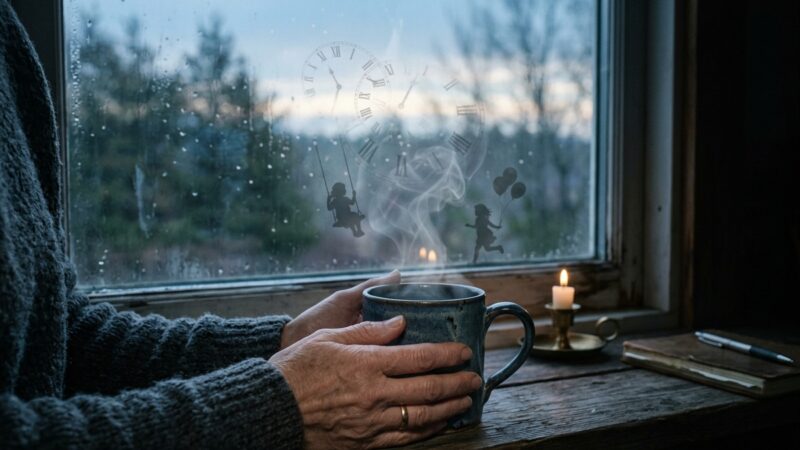
Your alarm goes off. It’s your birthday. You should feel happy, right? But instead, there’s a weird heaviness sitting on your chest. Maybe your eyes sting a little. Maybe you feel lonely even though your phone’s already buzzing with notifications.
You’re not broken. You’re not ungrateful. And you’re definitely not alone.
Millions of people around the world quietly experience what psychologists call “birthday blues” — that unexpected wave of sadness, anxiety, or emotional overwhelm that hits right around your birthday. A 2015 study published in the Annals of Epidemiology even found that emergency room visits for self-harm spike around people’s birthdays. That tells you just how real and intense these feelings can get.
So why do people feel emotional on their birthday? The reasons go deeper than you’d think. Let’s break them all down — honestly, clearly, and without any fluff.
The Psychology Behind Birthday Emotions
Birthdays aren’t just about cake and candles. Your brain treats your birthday as a psychological checkpoint — a forced moment of self-evaluation. And that’s where all the emotional turbulence begins.
Think about it. On a random Tuesday, you don’t sit and measure your life against your dreams. But on your birthday? Your brain automatically starts comparing where you are versus where you thought you’d be.
Dr. Ellen Hendriksen, a clinical psychologist at Boston University, explains that birthdays activate a mental process called “temporal landmarks.” Your brain sees the birthday as a marker on your life’s timeline. So it naturally pulls up a report card — career, relationships, health, finances, personal growth. And if that report card doesn’t match your expectations? The emotions come flooding in.
If you want to understand more about how your mind processes these moments, the psychology behind birthday happiness offers a deeper look at this mental wiring.
The Self-Evaluation Trap
Here’s the tricky part. This self-evaluation almost never feels fair. You compare your real, messy, complicated life to some idealized version you imagined years ago. Maybe at 20, you thought you’d own a house by 30. Maybe at 30, you thought you’d have everything “figured out” by 40.
Nobody has everything figured out. But your birthday makes you feel like you should.
This gap between expectation and reality creates what psychologists call cognitive dissonance — a mental discomfort that shows up as sadness, frustration, or even anger on your birthday.
Aging Anxiety Is Real
Let’s be honest. Getting older scares people. Your birthday is a once-a-year reminder that time is moving, your body is changing, and there are things you can’t get back.
This isn’t vanity. It’s a deeply human response tied to mortality awareness — what existential psychologists call “death anxiety.” Terror Management Theory, developed by researchers Sheldon Solomon, Jeff Greenberg, and Tom Pyszczynski, suggests that any reminder of aging can trigger unconscious anxiety about death.
Your birthday is the loudest reminder of all.
Quick Fact: Research from the Journal of Social and Clinical Psychology (2012) found that adults between 40 and 60 report the highest levels of birthday-related anxiety, often linked directly to fears about aging and declining health.
You’ll notice this pattern clearly if you read about why birthdays feel faster as you age — the acceleration of time perception makes each birthday feel more emotionally loaded.
Birthday Sadness Reasons You Probably Haven’t Considered
Most people assume birthday sadness comes from one big thing — like being single, or not having enough friends. But the real birthday sadness reasons are often a combination of smaller, sneakier triggers.
1. Unrealistic Expectations (The “Perfect Day” Pressure)
Social media has trained your brain to expect a perfect birthday. Instagram-worthy surprises. Aesthetic decorations. A partner who plans everything without being told. Friends who show up with heartfelt speeches.
Real life rarely looks like that.
When your actual birthday feels “ordinary,” your brain reads it as a disappointment — even if nothing bad actually happened. The problem isn’t your birthday. The problem is the imaginary version you compared it to.
Social media has completely changed birthday culture, and this shift has made birthday sadness more common than ever before.
2. Loneliness Hits Harder on Birthdays
You can be alone on a regular Saturday and feel fine. But being alone on your birthday? That stings differently.
Why? Because birthdays carry social weight. Society tells you this is the day people should celebrate you. So if your phone is quiet, if nobody planned anything, or if the people you wanted around aren’t there — it confirms a fear you normally push away: Maybe I don’t matter enough.
That fear isn’t true. But it feels painfully real on your birthday.
Pro Tip: If you struggle with birthday loneliness, taking control helps. Plan something small for yourself instead of waiting for others to step up. Even a solo movie night or a favorite meal can shift the emotional tone of the day.
3. Grief and Missing People
Birthdays have a way of making absence louder. If you’ve lost a parent, a best friend, a partner, or anyone who used to make your birthday special — the day becomes a reminder of who’s missing.
You remember the phone call that won’t come. The voice that used to sing to you. The person who always remembered your favorite flavor.
This kind of birthday grief doesn’t go away with time. It just changes shape. And it’s one of the most underrated birthday sadness reasons that people rarely talk about openly.
4. You Feel Stuck in Life
Here’s a question that creeps into people’s minds on their birthday: “What did I actually accomplish this year?”
If the answer feels like “not much,” it can spiral into guilt, shame, and sadness. You feel stuck. Behind. Like everyone else is moving forward and you’re just… there.
This connects directly to why people reflect on life during birthdays. Your birthday forces a pause, and sometimes that pause is uncomfortable because it shows you things you’ve been avoiding.
5. Attention Overload (Or the Wrong Kind of Attention)
This one surprises people. Sometimes birthday sadness comes not from too little attention, but from too much — or from attention that feels shallow.
Getting 200 “HBD!” messages from people who don’t talk to you the other 364 days of the year can feel oddly hollow. You’re surrounded by noise but still feel unseen.
Introverts especially struggle with birthday attention — the social pressure to perform happiness, respond to every message, and be “on” all day can be emotionally draining rather than uplifting.
6. Hormones and Stress Responses
Your body responds to emotional stress physically. The anticipation, the social pressure, the self-reflection — all of it can spike cortisol (your stress hormone) and mess with serotonin levels.
Some people report headaches, fatigue, trouble sleeping, or even stomach issues around their birthday. That’s not coincidence. Your body is processing emotional overload.
Did You Know? A Danish study published in 2012 tracked over 2 million people and found that cardiovascular events (heart attacks) increased among both men and women on their birthdays compared to other days. Emotional stress on birthdays can literally affect your heart.
Birthday Blues: Why It’s More Common Than You Think
The term “birthday blues” isn’t just internet slang. Mental health professionals use it to describe a real pattern of depressive symptoms that cluster around a person’s birthday.
And it’s far more common than most people admit.
Who Experiences Birthday Blues?
Pretty much anyone can. But certain groups report it more often:
- People living alone — the contrast between “celebration day” and solitude is sharp
- Folks dealing with depression or anxiety — birthdays amplify existing emotional patterns
- People who’ve experienced trauma around their birthday — past events create emotional echoes
- Adults going through major life transitions — divorce, job loss, relocation
- People with complicated family dynamics — birthdays can reopen old wounds
You’ll notice that some people actively avoid celebrating birthdays altogether, and birthday blues is often the driving force behind that decision.
Birthday Blues vs. Clinical Depression
Here’s something worth clarifying. Birthday blues is usually temporary. It shows up a few days before your birthday, peaks on the day itself, and fades within a week.
Clinical depression, on the other hand, is persistent, lasting weeks or months, and affects your daily functioning.
⚠️ Warning: If your birthday sadness lasts more than two weeks, if you’re having thoughts of self-harm, or if you can’t function normally — please reach out to a mental health professional. The National Suicide Prevention Lifeline (988 in the US) and Crisis Text Line (text HOME to 741741) are available 24/7. Birthday blues is normal, but suffering in silence when you need help is not something you should push through alone.
The Social Media Effect on Birthday Emotions
Let’s talk about something that’s made birthday emotions way more complicated in the last decade: social media.
The Comparison Machine
On your birthday, you scroll through Instagram and see someone your age who’s living your dream life. They’ve got the job, the relationship, the vacation photos, the body. And here you are, eating leftover pizza on your couch.
That comparison doesn’t just sting — it rewires how you evaluate your own birthday experience.
A 2023 study from the American Journal of Preventive Medicine linked heavy social media use to increased rates of depression and loneliness, especially among adults aged 19-32. Now multiply that effect on a day when you’re already emotionally sensitive.
The “Performance” of Happiness
Social media also creates pressure to prove you’re having a great birthday. Post the photos. Share the story. Show the cake. Thank everyone publicly.
But what if you don’t feel happy? Now you’re performing. Pretending. And that emotional gap between how you really feel and what you’re showing the world makes everything worse.
Why people share birthday posts on social media dives into this performance dynamic and how it shapes modern birthday culture.
The Notification Count Problem
Some people quietly count their birthday messages. How many people posted on my wall? How many stories mentioned me? Who remembered without a Facebook reminder?
This turns your birthday into a popularity metric — and very few people feel good when they measure love that way.
How Different Ages Experience Birthday Emotions
Your relationship with your birthday changes as you grow older. Here’s how it shifts:
Kids and Teens (5-17)
Young kids are mostly excited. The gifts, the party, the cake — it’s pure joy. But teenage birthdays start getting emotionally complicated. Social dynamics, body image, peer pressure about celebrations — it all creeps in.
Kids get more excited for birthdays than adults for a reason. They haven’t yet developed the self-evaluation patterns that make birthdays emotionally heavy.
Twenties (18-29)
Your twenties are full of milestone birthdays — 18, 21, 25. Each one carries expectations. By your late twenties, a quiet panic often sets in: “Am I where I should be?”
The 18th and 21st birthdays carry extra cultural significance, which adds even more pressure to those specific years.
Thirties and Forties (30-49)
This is where birthday blues often peaks. The “I’m running out of time” feeling grows louder. Career pressures, family responsibilities, health changes — they all pile up and make birthdays feel less like celebrations and more like deadlines.
Fifties and Beyond (50+)
Something interesting happens for many people in their fifties and sixties. Birthday emotions shift from anxiety to gratitude and reflection. You’ve lived long enough to know that life doesn’t follow a script. Many older adults report feeling more peaceful about their birthdays, though grief for lost loved ones can still trigger sadness.
The science of aging and birthdays explains how our emotional response to birthdays evolves across our lifespan.
Common Myths About Birthday Emotions (Debunked)
Let’s clear up a few things people get wrong about birthday sadness.
Myth 1: “If You’re Sad on Your Birthday, You’re Ungrateful”
Not true. Gratitude and sadness can exist at the same time. You can appreciate your life and still feel emotional about aging, loss, or unmet goals. These aren’t contradictions — they’re normal human complexity.
Myth 2: “Only Lonely People Get the Birthday Blues”
Also false. Plenty of people surrounded by friends and family still feel emotional on their birthday. Birthday blues isn’t about how many people are around you. It’s about internal psychological processes — self-reflection, expectations, and emotional triggers.
Myth 3: “A Big Party Will Fix Birthday Sadness”
Sometimes a party makes things worse. If you’re an introvert, if you’re grieving, or if you’re in a reflective mood — a loud celebration can feel exhausting and isolating. The fix for birthday sadness isn’t always external. Sometimes it’s about giving yourself permission to feel what you feel.
Myth 4: “Birthday Blues Only Lasts One Day”
For many people, the emotional wave starts days or even weeks before the actual birthday. It’s called anticipatory anxiety. You dread the day coming. You overthink how it’ll go. By the time your birthday actually arrives, you’re already emotionally drained.
Practical Ways to Handle Birthday Emotions
Knowing why you feel emotional is helpful. But knowing what to do about it is better. Here are real, actionable strategies:
1. Lower the Bar (Intentionally)
Stop planning for a “perfect” birthday. Instead, aim for a comfortable one. What would genuinely make you happy today? Maybe it’s sleeping in, ordering your favorite food, or watching a movie you love. Small, real pleasures beat grand expectations every time.
2. Say It Out Loud
Tell someone you trust: “I’m feeling weird about my birthday.” Just naming the emotion takes away some of its power. You don’t need to explain it fully. You don’t need to justify it. Just say it.
3. Write It Down
Journaling on your birthday might sound cheesy, but it works. Write down three things you’re proud of from the past year — even tiny ones. This shifts your brain from “what’s missing” mode to “what’s here” mode.
4. Limit Social Media
Give yourself permission to not check Instagram or Facebook on your birthday. Or at least set a specific time for it instead of doom-scrolling all day. The comparison trap is strongest on birthdays.
5. Create Your Own Ritual
Instead of waiting for others to make your birthday special, build a personal tradition. Some people plant a tree every birthday. Some donate to a cause. Some write a letter to their future self.
Best birthday traditions for families has some ideas if you want to build something meaningful around your birthday that feels genuine rather than performative.
6. Skip It If You Want To
Here’s permission you didn’t know you needed: you don’t have to celebrate your birthday. Plenty of people choose to treat it as a regular day, and that’s completely valid.
FAQ Section
Is it normal to cry on your birthday?
Yes, absolutely. Crying on your birthday is more common than people admit. Birthdays trigger a mix of emotions — nostalgia, grief, gratitude, anxiety, and self-reflection. Your brain is processing a lot at once, and crying is a natural release valve. It doesn’t mean something is wrong with you. It means you’re human.
What causes birthday depression?
Birthday depression (or birthday blues) is caused by several overlapping factors: unmet expectations, social comparison, aging anxiety, grief for lost loved ones, loneliness, life dissatisfaction, and the pressure to feel happy on command. For people with existing mental health conditions like clinical depression or anxiety disorders, birthdays can amplify those symptoms. If birthday sadness lasts more than two weeks or significantly disrupts your daily life, speaking with a therapist can help.
How do I stop feeling sad on my birthday?
You can reduce birthday sadness by lowering expectations, planning something you genuinely enjoy (rather than what looks good on social media), limiting time on social platforms, talking to a trusted friend about your feelings, and creating a personal birthday ritual. The most powerful shift is giving yourself permission to feel whatever you feel — without guilt. Trying to force happiness usually makes sadness worse.
Why do I feel anxious before my birthday?
This is anticipatory anxiety — your brain starts worrying about the birthday days or weeks before it arrives. You might stress about who will remember, whether it’ll feel special enough, or how another year passing reflects on your life. This pre-birthday anxiety is extremely common and often worse than the actual day itself.
Do birthdays get harder as you age?
For many people, yes — up to a point. Research suggests birthday-related distress tends to increase from the late twenties through the forties, driven by life milestones, career pressure, and aging concerns. After 50 or 60, many people report a shift toward acceptance and gratitude. The pattern isn’t universal, though. Personal circumstances, mental health, and support systems all play a role.
One Last Thing Worth Remembering
Your birthday isn’t a performance review. It’s not a deadline. And it’s definitely not a measure of your worth.
If you feel emotional on your birthday, that’s not weakness — it’s awareness. It means you’re paying attention to your life, your losses, your growth, and your hopes. That takes courage, even when it doesn’t feel like it.
So the next time your birthday rolls around and you find yourself tearing up instead of celebrating, remember this: you’re not the only one. Millions of people feel exactly the same way. The birthday blues don’t make you broken. They make you deeply, beautifully normal.
And if you want, you can skip the party. Eat the cake alone. Cry a little. Laugh a little. Call someone who matters. Or just… breathe.
It’s your day. Feel it however you need to.
Related Articles

Twins’ Birthday Wishes: Double the Fun & Greetings
Celebrating two people at once is a special kind of joy. Whether you’re writing in a...

Thank You Messages: 100+ Replies for Birthday Wishes
Someone took a moment out of their day to think of you, type out a message,...

Best Friend Birthday Wishes: Top Heartfelt Messages
A good friend’s birthday deserves more than a rushed text or a recycled message you’ve sent...