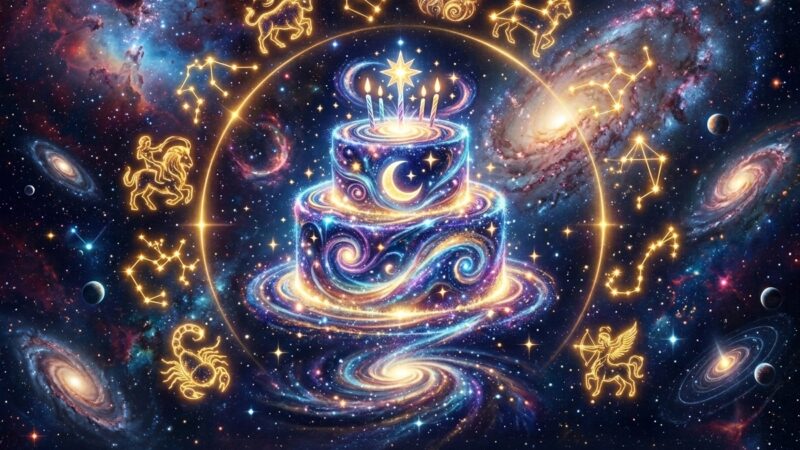
Nearly 75% of young adults in the US say they’ve read their horoscope at least once in the past year. That number has been climbing steadily since 2015. And it’s not just an American thing — astrology apps have been downloaded over 40 million times globally, and zodiac memes flood your social media feed every single day.
So, what happened? Why did zodiac signs — something your grandma might’ve read in the newspaper — suddenly become a massive cultural obsession?
The answer isn’t simple. It’s a mix of psychology, social media, identity-seeking, and yes, a little bit of chaos in the world. Understanding why zodiac signs became popular again tells you a lot about how humans cope, connect, and make sense of themselves.
Let’s break it all down — no fluff, no filler, just the real stuff.
A Quick History: Zodiac Signs Aren’t New At All
Before we talk about the comeback, let’s get the timeline straight. Astrology isn’t some TikTok trend. It’s literally thousands of years old.
Ancient Roots
The Babylonians created the first organized zodiac system around 2,400 years ago. They divided the sky into 12 sections and tied celestial movements to earthly events. The Greeks later adopted this system, and the Roman Empire spread it across Europe.
For centuries, astrology was taken seriously — kings consulted astrologers, wars were planned around planetary movements, and doctors used birth charts to diagnose illness.
The Scientific Split
Things changed during the Enlightenment (17th–18th century). Science and astrology parted ways. Astronomy became a respected science. Astrology? It got pushed to the sidelines, seen as superstition.
But it never truly died. Newspaper horoscopes kept it alive throughout the 20th century. And then the internet happened.
Did You Know? The first newspaper horoscope column appeared in the Sunday Express in London in 1930. It was written for Princess Margaret’s birth and became so popular that the paper made it a regular feature.
Funny how something meant for a princess ended up shaping pop culture for decades. Speaking of the history of birthday traditions, astrology has always been deeply tied to the day you were born.
The Real Reasons Why Zodiac Signs Became Popular Again
This is where it gets interesting. The resurgence of astrology isn’t random. Several forces collided at the same time to push zodiac signs back into the mainstream.
1. Social Media Turned Zodiac Signs into Shareable Content
Think about it — zodiac signs are perfectly designed for social media.
They’re short. They’re visual. They’re personal. And they’re endlessly shareable.
Platforms like Instagram, Twitter (now X), and TikTok gave astrology content something newspaper horoscopes never had: viral potential. A meme that says “Scorpios when someone lies to them” gets thousands of shares because every Scorpio tags their friends. Every. Single. Time.
Astrology accounts like @costarastrology, @notallgeminis, and dozens of others built massive followings by creating bite-sized, relatable zodiac content. The format works perfectly for short attention spans.
Quick Fact: The hashtag #zodiac has over 30 billion views on TikTok as of 2025. That’s not a small number.
Social media didn’t just spread astrology — it made astrology fun. And fun content spreads fast. If you want to understand how social media changed birthday culture too, the pattern is nearly identical — platforms turn personal moments into shared experiences.
2. Uncertainty Makes People Seek Meaning
Here’s a pattern psychologists have noticed for years: when life feels chaotic, people turn to systems that offer structure and meaning.
Think about what’s happened in the last decade:
- A global pandemic
- Economic instability
- Political polarization
- Climate anxiety
- Social isolation
When the world feels unpredictable, astrology offers something comforting — a framework. Your birth chart tells you who you are, why you act the way you do, and what might happen next. That sense of order is psychologically soothing, even if you don’t fully believe it.
A 2022 study published in the Journal of Personality found that people experiencing higher stress and uncertainty were significantly more likely to engage with astrological content. The researchers called it a “meaning-making tool.”
This is also one of the biggest astrology popularity reasons — it fills an emotional gap that modern life creates.
3. The Identity Crisis of Millennials and Gen Z
Let’s be honest — figuring out who you are is hard. Especially when traditional identity markers (career, marriage, homeownership) feel out of reach for many young people.
Zodiac signs offer a ready-made identity toolkit.
You’re not just “a 27-year-old who works in marketing.” You’re a Virgo rising with a Sagittarius moon who needs freedom but craves organization. That feels richer, more layered, more you.
This resonates deeply with millennials (born 1981–1996) and Gen Z (born 1997–2012) — two generations that value self-expression, individuality, and personal branding. Zodiac signs became a shorthand for personality in a world obsessed with personality.
Pro Tip: Notice how people put their zodiac sign in their dating profiles, Instagram bios, and even resumes? That’s identity signaling at work. Your sign tells others what vibe you give off before you even speak.
The psychology behind birthday happiness connects to this same idea — your birth date becomes a core part of how you see yourself.
4. Astrology Apps Made It Accessible (and Addictive)
Old-school astrology required serious study. You had to understand houses, aspects, transits, and planetary dignities. Most people didn’t bother.
Then apps like Co-Star, The Pattern, and Sanctuary changed everything.
Co-Star launched in 2017 and got over 5 million downloads within its first few years. The app sends you daily personalized notifications based on your birth chart. It’s like a horoscope that feels tailor-made for you.
The Pattern went viral in 2019 when celebrities like Channing Tatum tweeted about how “creepily accurate” it was. Suddenly, millions of people were downloading it.
These apps did something crucial: they lowered the barrier to entry. You didn’t need to study astrology for years. You just entered your birth time, date, and place — and the app did the rest.
The result? People who’d never cared about zodiac signs were suddenly checking their Mercury retrograde alerts every morning.
5. Feminism and the Reclaiming of “Woo-Woo” Practices
Here’s an angle most articles miss.
Astrology, tarot, crystals, and other mystical practices were historically dismissed as “women’s stuff” — irrational, emotional, unscientific. And for a long time, that dismissal kept many people quiet about their interest.
But something shifted. The feminist reclamation of spiritual practices became a cultural movement. Women and non-binary people started openly embracing astrology as a tool for self-reflection, not because they thought Saturn literally controlled their job prospects, but because it gave them a language for their inner world.
Writers like Chani Nicholas (author of You Were Born for This) brought an explicitly feminist, queer-inclusive approach to astrology. Her book became a New York Times bestseller in 2020. That’s a huge signal of mainstream acceptance.
This reclamation said: “We don’t need your permission to find meaning in this. It works for us.”
6. The “Barnum Effect” — Why Horoscopes Feel Accurate
Okay, let’s talk science for a minute.
Psychologist Bertram Forer demonstrated in 1948 that people rate vague, general personality descriptions as “highly accurate” when they believe the descriptions were specifically written for them. This is called the Barnum Effect (or Forer Effect).
Example: “You tend to be critical of yourself. You have a lot of unused potential. Sometimes you’re outgoing, sometimes you’re reserved.”
Sounds like you, right? It sounds like everyone. But when it’s labeled as “your Libra reading,” it suddenly feels personal and specific.
This psychological mechanism is a key part of why people believe in zodiac signs. The descriptions are crafted to be broadly relatable but feel individually meaningful. And once you believe your sign description fits you, confirmation bias kicks in — you start noticing everything that confirms it and ignoring what doesn’t.
Did You Know? Forer’s original experiment scored 4.26 out of 5 for accuracy — and every student received the exact same description. The text was pulled from a newsstand astrology book.
This doesn’t mean astrology is “useless.” It means it works psychologically, even if the mechanism isn’t celestial. And there’s nothing wrong with finding it helpful.
The reason weird birthday superstitions people believe stick around is remarkably similar — our brains love patterns, even when they’re not really there.
Why People ACTUALLY Believe in Zodiac Signs — The Deeper Psychology
Beyond the Barnum Effect, there are several psychological forces that explain why astrology feels so real to so many people.
Need for Control
Humans are wired to seek patterns and predict outcomes. Astrology gives you a sense of control over a chaotic world. “Mercury is in retrograde, so I’ll delay signing that contract.” Even if it’s not scientifically valid, the act of planning based on cosmic patterns makes you feel less helpless.
Community and Belonging
Saying “I’m a Leo” instantly connects you with other Leos. You share memes, swap stories, and bond over personality traits. Astrology creates micro-communities, and humans are tribal by nature. We crave belonging.
Self-Reflection Tool
Many people don’t take astrology literally. They use it as a mirror. Reading your horoscope makes you pause and think about your relationships, your career, your emotions. That moment of reflection — regardless of the source — can be genuinely valuable.
Therapists have noted that clients who engage with astrology often show higher self-awareness. Not because the stars are guiding them, but because they’re regularly prompted to examine their own behavior.
Conversation Starter
Let’s not underestimate this one. “What’s your sign?” is one of the most popular conversation starters in dating, friendships, and even workplaces. Astrology gives people a low-stakes, fun topic to bond over. It’s social glue. If you’ve ever noticed why people care about zodiac compatibility, this social bonding element is a huge part of the answer.
The Role of Pop Culture and Celebrities
Pop culture poured gasoline on the astrology fire. When celebrities openly embrace zodiac signs, millions of fans follow.
Celebrity Endorsements
- Beyoncé references being a Virgo constantly
- Taylor Swift is widely discussed as a Sagittarius archetype
- Lizzo has publicly talked about her Taurus traits
- Channing Tatum made The Pattern app go viral with a single tweet
When your favorite artist says “that’s such a Scorpio thing,” it normalizes astrology as a casual, accepted part of conversation.
TV Shows and Movies
Shows like “Astrology and the Unknown” on streaming platforms, plus countless YouTube series, have made astrology content entertainment-level polished. It’s not niche anymore. It’s mainstream media.
Music and Merchandise
You can buy zodiac-themed clothing, jewelry, candles, mugs, phone cases — you name it. Astrology became a consumer identity, not just a belief system. Brands from H&M to Urban Outfitters have released zodiac collections. It’s a multi-billion dollar market.
The Numbers Tell the Story
Let’s look at some data that shows just how popular zodiac signs have become:
- Astrology industry was valued at approximately $12.8 billion globally in 2023 (IBISWorld)
- Google searches for “birth chart” increased by over 300% between 2015 and 2024
- Co-Star alone has over 30 million registered users
- 58% of 18–29 year olds in the US believe astrology is at least “somewhat scientific” (NSF survey data)
- The astrology app market grows by roughly 12% annually
These aren’t fringe numbers. This is a full-blown cultural movement.
Common Myths About Astrology’s Popularity — Debunked
Myth 1: “Only uneducated people believe in astrology”
Wrong. Studies consistently show that interest in astrology cuts across education levels. Many astrology enthusiasts hold college degrees and work in professional fields. Interest doesn’t equal belief in a strict scientific sense — many people engage with astrology as a reflective tool or entertainment, not as a replacement for science.
Myth 2: “Astrology is just a millennial thing”
Not quite. While millennials and Gen Z drove the resurgence, Gen X and even Baby Boomers have shown increased engagement with astrology apps and content. The trend analysis of Gen Z birthday culture shows that younger generations lead trends, but older groups adopt them too.
Myth 3: “People who like astrology reject science”
Also wrong. A 2023 YouGov survey found that many astrology enthusiasts also express strong trust in science. For most fans, astrology occupies a different space — closer to philosophy, self-help, or entertainment than to scientific inquiry. They’re not replacing their doctor with an astrologer. They’re reading their horoscope while waiting for their appointment.
Myth 4: “It’s just a phase — it’ll die out”
People have been saying this since the 1970s (which was the last big astrology wave). Astrology survived the Enlightenment, the Industrial Revolution, two World Wars, and the internet age. It keeps adapting. The current resurgence shows no signs of fading — if anything, AI-powered personalized horoscopes are making it even stickier.
The Dark Side: When Zodiac Obsession Goes Too Far
Fair warning — astrology can go from “fun hobby” to “problematic crutch” pretty quickly.
Red Flags to Watch For:
- Refusing to date someone solely because of their sign
- Blaming bad behavior on planetary alignment (“Sorry I was rude, Mercury was retrograde”)
- Making major life decisions (career, finances, relationships) based only on horoscopes
- Stereotyping people based on their sign and refusing to see them as individuals
- Spending excessive money on readings, apps, and astrology services
Pro Tip: Astrology works best when you treat it like a mirror, not a GPS. Use it for self-reflection, not life navigation. The moment you start letting your birth chart make decisions for you, you’ve given away your agency.
People who reflect on life during their birthdays often use a similar approach — the date is a prompt for thinking, not a verdict on your life.
What Experts Say About Astrology’s Appeal
Dr. Chris French, a psychologist at Goldsmiths, University of London, has studied paranormal beliefs for decades. He explains that astrology thrives because it combines pattern recognition (something our brains do automatically) with emotional validation (something we all crave).
Chani Nicholas, professional astrologer and bestselling author, takes a different angle: “Astrology gives people a language for experiences they’ve always felt but couldn’t articulate. It’s a framework for understanding yourself.”
Dr. Phil Zuckerman, a sociology professor, points out that as traditional religious affiliation declines — especially among younger generations — astrology fills part of that gap. It offers ritual, community, and meaning without the institutional structure of organized religion.
These perspectives don’t contradict each other. They show that astrology’s popularity sits at the intersection of psychology, sociology, technology, and culture.
Why This Trend Probably Won’t Die Anytime Soon
Looking at the trajectory, here’s what keeps astrology relevant:
1. AI Personalization — Astrology apps are getting smarter. AI-generated readings feel increasingly specific and personal, making the Barnum Effect even more powerful.
2. Mental Health Awareness — As conversations about mental health grow, people are more open to any tool (scientific or not) that encourages self-reflection.
3. Content Economy — Astrology content performs extremely well on social media. As long as algorithms reward engagement, zodiac content will keep flooding your feed.
4. Inclusivity — Modern astrology has become explicitly inclusive of diverse gender identities, sexual orientations, and cultural backgrounds. This broadens its audience significantly.
5. Low Risk, High Reward — Reading your horoscope costs nothing and takes 30 seconds. Even skeptics do it occasionally because there’s no downside.
If you’re curious about how astrology became mainstream again, the technology angle is especially fascinating — the algorithms literally shaped the revival.
FAQ Section
Q1: Are zodiac signs scientifically proven?
No. There is no peer-reviewed scientific evidence that celestial bodies influence human personality or predict future events. Multiple large-scale studies (including a famous 1985 study by Shawn Carlson published in Nature) have found no statistical support for astrological claims. That said, many people find personal value in astrology as a reflective and social tool — separate from scientific validation.
Q2: Why do younger people believe in zodiac signs more than older generations?
Several factors drive this. Younger generations (millennials and Gen Z) grew up with social media, where astrology content is everywhere. They also came of age during periods of significant economic and social uncertainty, which increases interest in meaning-making systems. Lower affiliation with traditional religion also plays a role — astrology offers some of the same community and ritual benefits without institutional commitment.
Q3: Is it harmful to believe in zodiac signs?
For most people, no. Casual engagement with astrology — reading horoscopes, sharing memes, using your sign as a conversation starter — is harmless and often genuinely enjoyable. Problems arise only when someone uses astrology to make major life decisions, avoid personal responsibility, or discriminate against others based on their sign. Like most things, moderation and self-awareness make all the difference.
Q4: What’s the difference between your Sun sign, Moon sign, and Rising sign?
Your Sun sign is based on your birth date and represents your core identity. Your Moon sign is based on where the moon was when you were born and reflects your emotional inner world. Your Rising sign (or Ascendant) is based on the zodiac sign rising on the eastern horizon at your exact birth time and shapes how others perceive you. Most people only know their Sun sign, but astrology enthusiasts consider all three essential for a fuller picture.
Q5: Why do horoscopes feel so accurate?
This is largely due to the Barnum Effect — a psychological phenomenon where people accept vague, general statements as personally meaningful. Confirmation bias then reinforces the feeling of accuracy. You remember the times your horoscope “got it right” and forget the times it didn’t. The descriptions are also intentionally written to be broadly relatable while feeling specific.
So, What Does All This Really Mean?
Here’s the honest take. Why zodiac signs became popular isn’t a mystery once you look at the forces involved — social media virality, a collective search for meaning during uncertain times, the human need for identity and community, clever app design, and basic psychology.
You don’t have to “believe” in astrology to appreciate why it resonates with billions of people. And you don’t have to dismiss it entirely just because it’s not science.
The most useful way to think about astrology in 2025? It’s a cultural language. Like any language, it helps people communicate, connect, and understand themselves — even if the grammar isn’t scientifically perfect.
If nothing else, it’s given us all a reason to care about our birthdays even more. And honestly? There are plenty of reasons why people love their birthdays — zodiac signs just added another one to the list.
So next time someone asks “What’s your sign?” — whether you answer seriously or with a smile — you’ll know exactly why that question became one of the most asked questions of our generation.
Curious about your own zodiac sign’s popularity? Check out the most googled zodiac signs and see where yours ranks.
Related Articles

Twins’ Birthday Wishes: Double the Fun & Greetings
Celebrating two people at once is a special kind of joy. Whether you’re writing in a...

Thank You Messages: 100+ Replies for Birthday Wishes
Someone took a moment out of their day to think of you, type out a message,...
Best Friend Birthday Wishes: Top Heartfelt Messages
A good friend’s birthday deserves more than a rushed text or a recycled message you’ve sent...