Every year, your phone buzzes at midnight. Messages flood in. “Happy Birthday!” — from friends, family, coworkers, and that one cousin you haven’t spoken to since 2019. It feels normal, right? Almost automatic.
But here’s something wild — for most of human history, nobody wished anyone a happy birthday. In fact, regular people didn’t even celebrate birthdays at all. The whole idea of sending birthday wishes has a story behind it that stretches back thousands of years, crosses multiple civilizations, and involves everything from ancient Greek gods to a copyright lawsuit.
So, where did birthday wishes come from? Why do billions of people around the world feel this pull to say two simple words — “Happy Birthday” — on someone’s special day? And how did this tradition survive wars, religious bans, and cultural shifts to become one of the most universal human rituals?
The history of birthday wishes is way more interesting than you’d expect. Let’s trace it from the very beginning.
H2: Ancient Roots — When Birthdays Were Only for Gods and Kings
You might think birthday celebrations have been around forever. They haven’t. The earliest recorded birthday celebrations date back to around 3000 BCE in ancient Egypt — but they weren’t for regular folks. They were for pharaohs.
When a pharaoh was crowned, Egyptians considered it a “birth” into godhood. The celebration wasn’t about the day they came into the world as a baby. It was about the day they became divine. So technically, these were more like coronation anniversaries than birthdays as we know them.
Did You Know? The Bible contains one of the earliest written references to a birthday celebration — Pharaoh’s birthday feast in the Book of Genesis (around 40:20). That mention is roughly 3,000 years old.
Regular Egyptians? No birthday parties. No wishes. No cake. The concept simply didn’t exist for common people.
H3: Ancient Greeks — The First “Birthday Wishes” to the Gods
The Greeks took things a step further. They celebrated the birthdays of their gods and goddesses with monthly rituals. Artemis, the goddess of the moon, got special treatment — her followers baked round cakes to represent the full moon and placed candles on top to make them glow.
Sound familiar? That’s because this is likely the origin of birthday cakes and candles that we still use today.
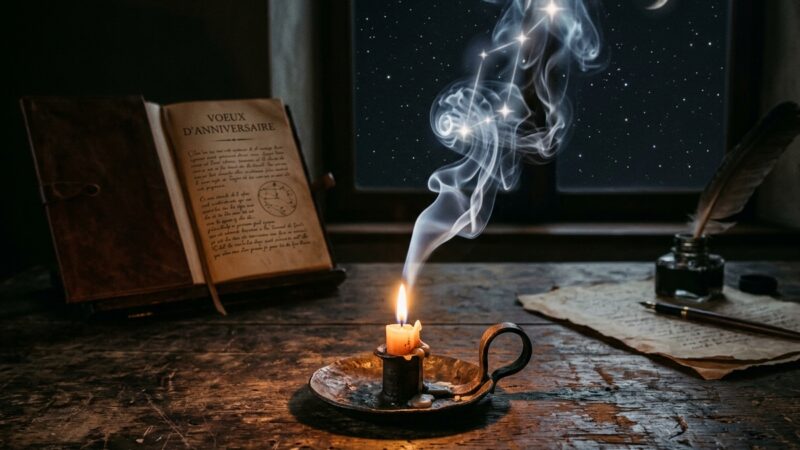
But here’s the key part about wishes. Greeks believed that the smoke from blown-out candles carried prayers and wishes up to the gods. This is one of the earliest connections between birthdays and making wishes. You weren’t wishing someone else a happy birthday — you were sending your own prayers heavenward through candle smoke.
So the origin of wishing happy birthday, in a way, starts with a religious ritual. Not a greeting card.
H3: Romans — The First Civilization to Celebrate Ordinary People’s Birthdays
Rome changed the game. Romans were the first known civilization to celebrate birthdays of regular (non-divine) people — at least for men. Friends and family would gather, bring gifts, and offer well-wishes for protection and good fortune.
For important citizens, the Roman Senate would even declare public holidays on their birthdays. The 50th birthday got extra attention and was celebrated with a special wheat cake.
Here’s what matters for our story: Romans actually spoke words of good fortune to the birthday person. These weren’t formal “Happy Birthday” greetings like we know them, but they were genuine verbal wishes — prayers for health, prosperity, and protection from evil spirits.
This is significant. The Romans gave us the earliest version of what we’d now call a birthday wish directed at a person.
H2: The Dark Ages of Birthday Wishes — When Religion Said “No”
For several centuries, birthday celebrations — and by extension, birthday wishes — essentially disappeared from Western culture.
Early Christians rejected birthday celebrations entirely. They viewed them as a pagan custom. The Church associated birthday parties with Roman and Greek idol worship. Church leaders like Origen of Alexandria (around 245 CE) actually wrote that celebrating birthdays was a sin, something only sinners like Pharaoh and King Herod did.
Think about that. For roughly 1,000 years across much of Europe, wishing someone a happy birthday could get you side-eyed — or worse.
Birthdays didn’t vanish everywhere, though. Different cultures handled things differently, and how different religions view birthdays played a massive role in shaping these traditions across the globe.
H3: The One Exception — Christmas
Interestingly, while the Church frowned on personal birthday celebrations, they made one enormous exception: the birth of Jesus Christ. Christmas became the biggest birthday celebration in the Western world. The idea that you could honor and celebrate someone’s birth — with joy, gifts, and good wishes — stayed alive through this single annual event.
So even during centuries when personal birthday wishes were suppressed, the concept never fully died. It just went underground, waiting for culture to shift again.
H2: The Comeback — Kinderfeste and the German Connection
Birthday wishes made their real comeback in 18th century Germany. And honestly, Germany deserves a lot of credit for modern birthday culture.
German families started celebrating children’s birthdays with events called “Kinderfeste.” On the morning of a child’s birthday, they’d receive a cake with lit candles — one for each year of life, plus an extra one representing the hope of living another year. The candles burned all day, and the child blew them out after dinner while making a wish.
This is where several modern birthday traditions converged:
- Candles on a cake (borrowed from ancient Greek traditions)
- Making a wish while blowing out candles
- Verbal birthday greetings from family members
- A full day dedicated to the birthday person
German birthday celebrations also involved specific well-wishing phrases. Family and friends would speak blessings and good fortune to the birthday child. This is probably the closest direct ancestor to the “Happy Birthday” wish as we know it.
The tradition of birthday traditions around the world shows just how much German customs influenced what we do today — from America to Australia.
H2: The Birthday Card Revolution — Wishes on Paper
Saying “happy birthday” is one thing. Writing it down? That’s a different story entirely — and it changed everything.
H3: Early Handwritten Notes (1700s-1800s)
Before printed cards existed, people in England and Germany began sending handwritten birthday greetings in the 1700s. These were personal notes, often delivered by hand, expressing good wishes for the year ahead.
These weren’t mass-produced. Each one was a small work of art — sometimes decorated with ribbons, pressed flowers, or hand-drawn illustrations. Only wealthy families could afford to send them regularly.
H3: The Printed Card Boom (1850s onward)
Everything changed with advances in printing technology. By the 1850s, companies in England and Germany started mass-producing greeting cards. Sir Henry Cole, who’s also credited with creating the first commercial Christmas card in 1843, helped kick off this industry.
By the 1870s-1880s, printed birthday cards became affordable and accessible. Suddenly, you didn’t need to be a poet or an artist to send birthday wishes. You just picked a card, signed your name, and mailed it.
Quick Fact: By 1900, advances in lithography and chromolithography made colorful birthday cards cheap enough for working-class families. Birthday wishes went from a luxury to an everyday social norm.
The history of birthday cards is a fascinating rabbit hole — from Victorian-era hand-painted designs to the quirky digital e-cards of today.
H3: Hallmark Enters the Scene
In 1910, Joyce Hall started selling postcards in Kansas City. By 1915, his company — Hallmark — was producing its own greeting cards. Hallmark didn’t invent the birthday card, but they turned it into a cultural institution.
By the mid-20th century, sending a birthday card wasn’t just nice — it was expected. Missing someone’s birthday without a card felt like a social failure. Hallmark and competitors like American Greetings created hundreds of categories: funny cards, sentimental cards, cards for every family member, cards for coworkers, cards for people you barely knew.
Birthday wishes had gone from sacred prayers to the gods… to a $7.99 purchase at the drugstore.
H2: “Happy Birthday to You” — The Song That Changed Everything
No history of birthday wishes is complete without talking about the song. You know the one. Everyone on Earth knows the one.
H3: The Origin Story
In 1893, two sisters from Kentucky — Patty Hill and Mildred J. Hill — wrote a song called “Good Morning to All.” Patty was a kindergarten teacher, and Mildred was a pianist and composer. The song was meant as a simple classroom greeting.
The melody was catchy. Really catchy. And sometime in the early 1900s, people started swapping out the words. Instead of “Good morning to you,” they sang “Happy birthday to you.”
Nobody knows exactly who changed the lyrics. It just… happened. Organically. The way things went viral before the internet existed.
H3: The Copyright Battle
Here’s where things get messy. In 1935, the Clayton F. Summy Company registered a copyright for the song. Warner/Chappell Music later acquired the rights and aggressively enforced them. For decades, anyone using “Happy Birthday to You” in a movie, TV show, or public performance had to pay royalties.
The song earned an estimated $2 million per year in licensing fees.
This went on until 2015, when a federal judge ruled that Warner/Chappell’s copyright claim was invalid. The song entered the public domain, and suddenly, the world’s most famous birthday wish was free for everyone.
Pro Tip: The history of happy birthday songs goes way beyond just this one tune. Different cultures have their own birthday songs, and some are equally fascinating.
H3: Why This Song Matters
“Happy Birthday to You” did something no greeting card could. It turned birthday wishes into a communal, spoken-aloud, group ritual. Before this song, birthday wishes were mostly private — a card, a handshake, a quiet word. After this song became universal, wishing happy birthday became a public performance. Everyone at the table sings together. The birthday person sits there, sometimes embarrassed, sometimes glowing, while a room full of people literally voices their wish for them.
That’s powerful. And it’s only been the norm for about 100 years.
H2: Birthday Wishes Go Global — Different Cultures, Same Feeling
The origin of wishing happy birthday might be rooted in Western traditions, but the impulse to mark someone’s birth with kind words exists almost everywhere.
H3: Unique Birthday Wish Traditions
- Mexico: “Las Mañanitas” is sung instead of “Happy Birthday.” It’s a serenade, often performed early in the morning to wake up the birthday person.
- China: Traditionally, the first major birthday celebration happens at age 1 (called Zhuazhou). Longevity noodles are served as a wish for long life.
- India: Many families touch elders’ feet on their birthday to receive blessings — a form of birthday wish in reverse.
- Netherlands: Not just the birthday person gets congratulated — their entire family does too. “Gefeliciteerd!” is said to everyone.
- Russia: Birthday wishes are given, but you never wish someone happy birthday before the actual day. It’s considered bad luck.
These weird birthday superstitions people believe show that across cultures, birthdays carry deep emotional and sometimes spiritual weight.
Every culture found its own way to express the same basic idea: “I’m glad you exist, and I hope good things come your way.”
H2: The Digital Age — Birthday Wishes at the Speed of Light
If the greeting card industry transformed birthday wishes in the 19th century, the internet blew the doors wide open in the 21st.
H3: Email and E-Cards (1990s-2000s)
The first wave of digital birthday wishes came through email. Sites like BlueMountain.com (launched in 1996) and later Jacquie Lawson let people send animated birthday greetings for free. Physical card sales started dipping.
H3: Facebook Changes the Game (2004 onward)
Let’s be honest — Facebook might be the single biggest thing to happen to birthday wishes since the “Happy Birthday” song.
When Facebook introduced birthday reminders, it removed the biggest barrier to wishing someone: remembering. Suddenly, you didn’t need to know someone’s birthday by heart. Facebook told you. And with one click, you could write “HBD! 🎂” on their wall.
By some estimates, Facebook generates billions of birthday posts per year. That’s an insane volume of birthday wishes — more than all the greeting cards ever printed in history combined.
But did this make birthday wishes more meaningful? Or less? There’s a real debate there. Some people love the flood of digital love. Others feel like a copy-pasted “Happy Birthday!” from 200 acquaintances rings hollow compared to one heartfelt handwritten card.
The way social media changed birthday culture is worth thinking about. We went from sacred prayers to Facebook walls in about 5,000 years.
H3: Texts, WhatsApp, and Video Messages
Today, most personal birthday wishes travel through text messages, WhatsApp, Instagram DMs, or video calls. You can send a birthday wish to someone on the other side of the planet in two seconds.
Interesting shift: Younger generations (Gen Z, in particular) are moving away from public Facebook posts and toward private, more personal messages. A voice note or a short video saying “happy birthday” feels more authentic than a wall post. The birthday trends in Gen Z reflect a desire for genuine connection over performative displays.
H2: The Psychology Behind Birthday Wishes — Why They Actually Matter
Here’s something you might not have considered: birthday wishes aren’t just social niceties. They carry real psychological weight.
H3: The Need to Feel Seen
Psychologists point out that birthdays are one of the few days a year when a person feels individually recognized. Not as part of a group, a team, or a family — but as themselves. A birthday wish says, “I see you. I remember you. You matter.”
That’s why people feel hurt when close friends or family forget their birthday. It’s not about the cake or the party. It’s about being acknowledged. The psychology behind birthday happiness digs deep into this emotional need.
H3: Social Bonding Ritual
Anthropologists see birthday wishes as a social bonding ritual — similar to handshakes, gift exchanges, or saying “bless you” after a sneeze. These small acts maintain social connections. They signal, “You’re part of my tribe.”
Even a simple “HBD” from a distant friend keeps a thread of connection alive. That tiny act costs nothing but maintains a relationship that might otherwise fade.
H3: Why Some People Don’t Want Wishes
Not everyone loves birthday attention. Some people feel anxious, sad, or overwhelmed on their birthday. This is sometimes called the “birthday blues.” For them, a flood of birthday wishes can feel more like pressure than love.
If you know someone who feels this way, you might find why some people hate celebrating birthdays really eye-opening.
H2: Common Myths About Birthday Wishes — Debunked
Let’s clear up a few things people often get wrong about the history of birthday wishes.
Myth 1: “Ancient people always celebrated birthdays”
Nope. For most of human history, the average person’s birth date wasn’t even recorded. Birthday celebrations were reserved for royalty, gods, and the ultra-wealthy. Common people started celebrating birthdays widely only in the 18th-19th centuries.
Myth 2: “The ‘Happy Birthday’ song is centuries old”
Not even close. The melody dates to 1893, and the “Happy Birthday” lyrics appeared in the early 1900s. The song is barely over 100 years old — a baby, in historical terms.
Myth 3: “Birthday wishes have always been about happiness”
Actually, early birthday acknowledgments were more about protection. Romans and Greeks offered birthday wishes to ward off evil spirits. The idea was that you were extra vulnerable on your birthday, and good wishes acted as a spiritual shield. The concept of simply wishing someone “happiness” is relatively modern.
Myth 4: “Blowing out candles and making a wish is just a fun tradition”
It has ancient religious roots. The Greeks believed candle smoke carried messages to the gods. German Kinderfeste traditions reinforced the idea. What feels like a lighthearted party activity actually connects back to thousands of years of spiritual practice.
H2: The Future of Birthday Wishes — Where Are We Headed?
Birthday wishes have evolved from sacred prayers → verbal blessings → handwritten notes → printed cards → phone calls → emails → social media posts → text messages → video calls.
So what’s next?
H3: AI-Generated Wishes
AI tools can already write personalized birthday messages in seconds. Some people use ChatGPT to craft the perfect birthday paragraph. Is that less genuine than grabbing a Hallmark card someone else wrote? That’s debatable.
H3: Virtual and Augmented Reality
Imagine putting on a VR headset and being “transported” to a virtual birthday party where friends from five countries surround you, sing, and share wishes. Meta and other tech companies are already building toward this.
H3: The Return to Simplicity
There’s also a counter-trend. Many people — tired of digital noise — are going back to handwritten letters, phone calls, and in-person celebrations. Sometimes a hug and a quiet “happy birthday” means more than 500 Instagram stories.
FAQ Section
Q: Where did birthday wishes originally come from?
A: The earliest forms of birthday wishes trace back to ancient Rome (around 2nd century BCE), where friends and family spoke words of good fortune and protection to the birthday person. Before that, ancient Greeks sent prayers to the gods through candle smoke on birthdays — which is an indirect precursor to modern birthday wishes.
Q: When did people start saying “Happy Birthday”?
A: The specific phrase “Happy Birthday” became widespread in the early 1900s, largely because of the song “Happy Birthday to You.” Before that, people used various blessings, prayers, and good-wish phrases, but “Happy Birthday” as a standard greeting is roughly 100-120 years old.
Q: Why do we make a wish when blowing out birthday candles?
A: This tradition comes from ancient Greek practices. Followers of Artemis placed candles on round cakes and believed the smoke carried their prayers to the goddess. German Kinderfeste traditions in the 1700s reinforced the candle-and-wish custom. Over time, the religious meaning faded, but the ritual stayed.
Q: Who invented the birthday card?
A: No single person invented the birthday card. Handwritten birthday greetings existed in the 1700s. Mass-produced birthday cards emerged in the 1850s in England and Germany, thanks to advances in printing. Hallmark, founded by Joyce Hall in 1910, later turned birthday cards into a cultural staple.
Q: Is it bad luck to wish someone happy birthday early?
A: In some cultures, yes. In Germany and Russia, wishing someone a happy birthday before the actual day is considered bad luck. This belief may connect to ancient superstitions that birthday attention could attract evil spirits, and doing it too early extended the window of vulnerability.
Closing Thoughts
The history of birthday wishes is really a story about human connection. From ancient priests sending prayers through candle smoke to your mom sending a heart emoji at midnight — the impulse hasn’t changed. We want to tell the people we care about: “Hey, I’m glad you were born.”
What’s changed is just the method. Smoke became words. Words became cards. Cards became texts. Texts became stories and reels. But underneath all that technology and tradition, the feeling remains the same.
Next time you type out “Happy Birthday” to someone — even if it’s just a quick message — remember you’re participating in a tradition that’s thousands of years old. That’s kind of beautiful, isn’t it?
And if you want to make your wish stand out this year, skip the copy-paste. Write something real. Call instead of texting. Show up instead of posting. Because the best birthday wish has never been about the words — it’s about the person behind them showing up.
If you’re curious about why birthdays matter so much psychologically, that’s a whole other rabbit hole worth exploring. 🎂
Related Articles

Twins’ Birthday Wishes: Double the Fun & Greetings
Celebrating two people at once is a special kind of joy. Whether you’re writing in a...

Thank You Messages: 100+ Replies for Birthday Wishes
Someone took a moment out of their day to think of you, type out a message,...

Best Friend Birthday Wishes: Top Heartfelt Messages
A good friend’s birthday deserves more than a rushed text or a recycled message you’ve sent...